Manufacturers create tempered and normal glass using different processes, giving each unique strength, safety, and durability. Both appear in everyday applications, but each responds differently to pressure, heat, and impact. Understanding these differences helps you choose the right glass for the right setting.
Here are the main factors that set tempered glass and normal glass apart.
Table of Contents
- Key Takeaways
- What Is Normal Glass?
- What Is Tempered Glass?
- Comparison of Strength
- Frequently Asked Questions
- Discover High-Quality Impact Glass Solutions for Lasting Protection!
| Key Takeaways ✔ Normal glass is untreated and more prone to breaking into sharp, dangerous shards when impacted. ✔ Tempered glass is specially heat-treated to increase strength and break into safer, blunt pieces when shattered. ✔ Tempered glass is about four to five times stronger than normal glass and can better withstand impact and heat. ✔ Tempered glass can be identified by labels, edge finish, stress patterns under polarized light, and how it breaks. |
What Is Normal Glass?
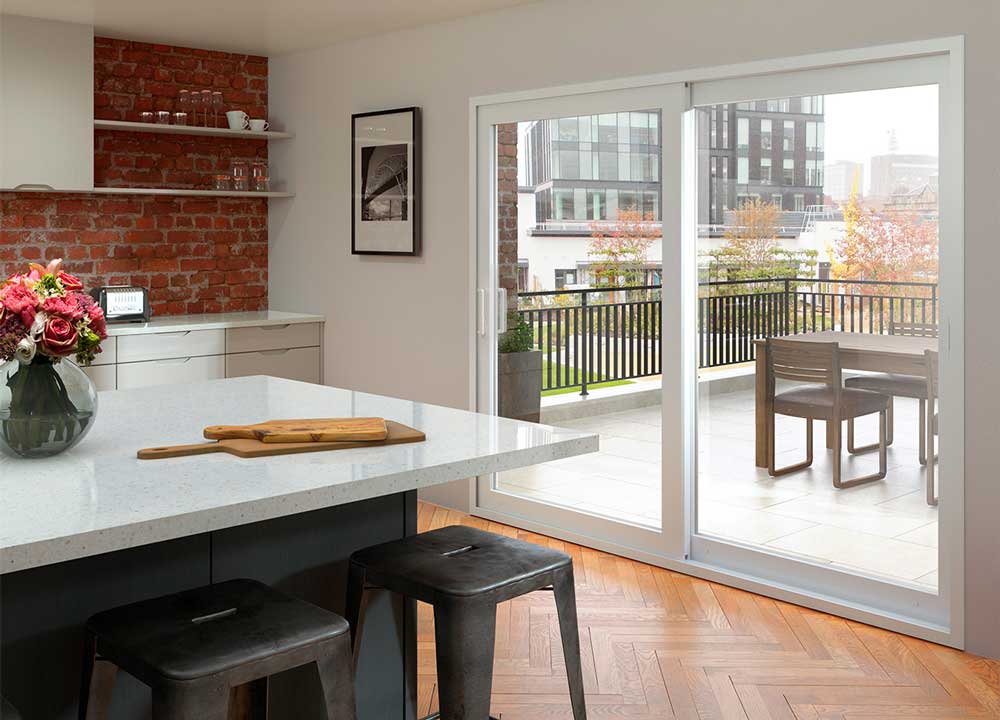
Normal glass, also called annealed glass, is the most basic and commonly used type of glass. Manufacturers make it through a simple cooling process that allows the glass to harden slowly. This process creates a smooth, uniform surface. However, it does not give the glass the added strength found in tempered glass.
How Normal Glass Is Made
Annealed glass is made through a standard cooling method after the glass is formed. This method makes the glass stable but not as durable as heat-treated options.
Slow Cooling Process
After shaping and heating the glass, manufacturers cool it slowly at room temperature in a controlled environment. This gradual cooling allows internal stresses to settle naturally. As a result, the glass becomes stable but not highly resistant to pressure or impact.
No Special Treatment
Unlike tempered glass, normal glass does not undergo rapid cooling or heat strengthening. Because of this, it remains more fragile and breaks into long, sharp shards when damaged. This can raise safety concerns in certain environments.
Where Normal Glass Is Commonly Used
Although it’s not as strong as tempered glass, many people still use annealed glass in places where high strength and impact resistance are not essential. It’s an affordable and versatile choice for many everyday applications.
Picture Frames
Normal glass is ideal for picture frames because it rarely faces strong impacts or temperature changes. It provides a clear view of artwork or photos and can be easily cut to custom sizes.
Interior Cabinet Doors
Designers often use annealed glass for cabinet doors and glass-front shelves. These areas are less likely to be bumped or exposed to extreme conditions. The glass adds a decorative touch while keeping contents visible.
Tabletops and Decorative Panels
Low-traffic tabletops and wall-mounted glass décor often use normal glass. These areas don’t experience much pressure or rough handling, making annealed glass a practical and cost-effective option.
Small Indoor Windows
Builders frequently install normal glass in areas where safety glass isn’t required, such as above doorways or in low-risk parts of a home. It lets natural light flow through while keeping installation costs low.
Key Characteristics of Normal Glass
Normal glass offers several advantages that make it a dependable choice for certain uses. Understanding these characteristics helps determine when it’s the right option.
Cost-Effective
Annealed glass is more affordable than tempered glass because it requires a simpler manufacturing process. This makes it a popular choice for decorative or low-impact installations where safety isn’t a primary concern.
Easy to Cut and Shape
Because it doesn’t undergo heat treatment, installers can easily cut, drill, and customize normal glass before installation. This flexibility benefits creative projects and home renovations that require unique designs.
Fragile When Broken
When normal glass breaks, it shatters into long, sharp pieces that can cause injury. For safety reasons, experts don’t recommend using it in high-traffic areas or spaces where people or pets might come into contact with it.
Not Heat or Impact Resistant
Unlike tempered glass, annealed glass cannot withstand high temperatures or sudden impacts. When exposed to heat stress or pressure, it may crack or break easily. This clearly shows that tempered glass is much stronger in demanding environments.
When Should Normal Glass Be Used Instead of Tempered Glass?
Homeowners often ask when to use tempered glass instead of normal glass. However, it’s just as important to know when annealed glass makes more sense. In low-risk areas with limited exposure to heat or pressure, normal glass can be the better fit.
Low-Impact Zones
Spaces like framed photos, mirrors, or upper-level transom windows are ideal for annealed glass. These locations rarely face force or stress, so the risk of breakage is minimal.
Budget-Sensitive Projects
For decorative work or simple glazing projects, normal glass helps keep costs low. When building codes don’t require tempered glass, annealed glass provides a more economical solution.
Easy Customization Needs
Projects that call for custom shapes or sizes benefit from annealed glass. Since it’s easier to cut and drill before installation, glassworkers prefer it for precise customization.
Non-Safety Applications
In applications where breakage isn’t a major concern—such as art displays or indoor shelving—normal glass performs well. It delivers clarity and visual appeal without the need for added durability.
Upgrade to Safer Glass Options
If you’re unsure whether normal or tempered glass is right for your home, our team can help you choose the best fit for your needs. We’ll explain your options, discuss safety requirements, and ensure you get durable, long-lasting results.
Call (866)-466-5094 or fill out our online form today to speak with a glass specialist.
What Is Tempered Glass?
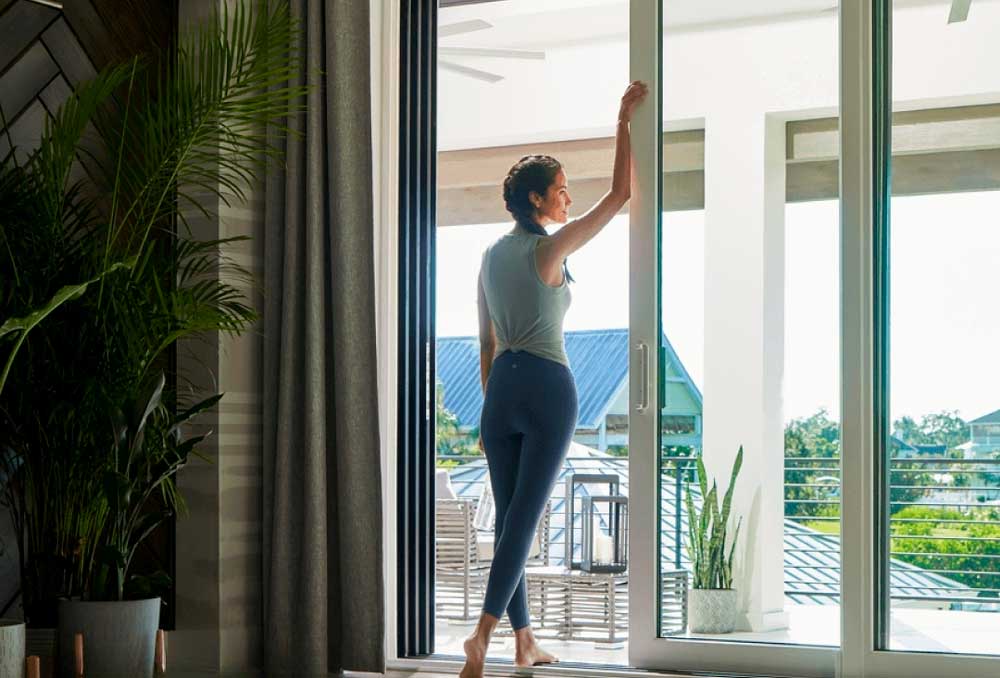
Tempered glass is a type of safety glass that has been specially treated to increase its strength. It is designed to be more resistant to breakage and safer than regular or annealed glass.
How Tempered Glass Is Made
Tempered glass goes through a process called tempering, where it is heated to extremely high temperatures and then cooled very quickly using forced air. This process changes the internal structure of the glass, making it much stronger and more durable.
- Heat Treatment Process: The glass is first heated in a furnace to temperatures around 620°C to 650°C until it becomes soft and flexible. This stage prepares the glass for the next step that strengthens it from within.
- Rapid Cooling (Quenching): After heating the glass near its softening point, strong blasts of air rapidly cool it, creating a uniform compressive stress across the surface. This process transforms ordinary glass into tempered glass, enhancing its mechanical strength, wind pressure resistance, and impact resistance—clearly answering the question, “is tempered glass stronger than normal glass?” with a confident yes.
Where Tempered Glass Is Commonly Used
Tempered glass is widely used in areas where safety, durability, and strength are essential, especially in environments exposed to frequent use, heat, or potential impact. Reflecting its growing demand, the global tempered glass market is expected to grow at an annual rate of 7.9% from 2023 to 2030.
- Car Windows: Side and rear windows in vehicles are made from tempered glass to reduce the risk of injury during accidents. When broken, the glass shatters into small chunks rather than sharp shards, protecting passengers.
- Shower Doors: Shower enclosures use tempered glass because it can handle sudden changes in temperature and resists accidental impacts. This helps prevent dangerous breakage in bathrooms where safety is a concern.
- Smartphone Screens: Many phone screen protectors are made of tempered glass to prevent cracks and scratches from daily use. Its clarity and hardness offer both protection and a smooth touch experience.
- Glass Doors and Partitions: Offices and commercial spaces use tempered glass for door panels and dividers to provide both safety and a clean, modern look. It is strong enough to handle regular contact and still maintain its shape and clarity.
- Kitchen Appliances: Items like oven doors, stovetops, and glass shelves use tempered glass because it can handle both weight and high temperatures. This makes it a smart choice for homes where heat and pressure are everyday factors.
Key Characteristics of Tempered Glass
Is tempered glass stronger than normal glass? Tempered glass has several qualities that make it a better choice than regular glass in many situations.
- Safer When Broken: When tempered glass breaks, it crumbles into small, rounded pieces rather than sharp shards. This helps prevent serious injuries, making it ideal for safety-focused environments.
- Heat Resistant: It can tolerate high temperatures and sudden changes in heat without cracking or breaking. That’s why it’s used in kitchens and bathrooms where normal glass might fail.
- Impact Resistant: The compression from tempering allows tempered glass to absorb more force from bumps or hits. This quality makes it especially useful in homes, vehicles, and public spaces where accidental impacts are more likely.
When Should Tempered Glass Be Used Instead of Normal Glass?
People often ask, “when should I use tempered glass instead of normal glass?” The answer depends on safety needs, exposure to heat, and the risk of breakage in daily use.
- High-Traffic Areas: Entry doors, shop windows, and office partitions benefit from tempered glass due to frequent contact and movement. The extra durability helps reduce the risk of sudden breakage and injury.
- Safety Regulations: Building codes often require tempered glass in doors, stair railings, and bathroom fixtures to reduce harm in accidents. Following these rules helps ensure both personal safety and legal compliance.
- Heat-Exposed Spaces: Kitchens, fireplaces, and outdoor areas need glass that can handle heat and sudden changes in temperature. Tempered glass stands up to these conditions, while normal glass would likely crack.
Children and Pets: In homes with kids or animals, the risk of accidental impact is high, making tempered glass the safer choice. It reduces the danger of injuries from broken glass during rough play or bumps.
Comparison of Strength
People widely recognize tempered glass as tougher and safer than normal glass. When people ask whether tempered glass is stronger, the simple answer is yes—especially when comparing its performance under pressure, heat, and impact.
Mechanical Strength
Tempered glass is much better at handling physical force than regular glass. This strength makes it ideal for settings where breakage is more likely to happen.
- Impact Resistance: Tempered glass can take strong hits without breaking, while regular glass can shatter with much less force. Tempered glass is about four to five times stronger than normal glass of the same size and thickness.
- Bending Strength: It can slightly flex without cracking, which helps prevent sudden breaks under tension. This feature makes tempered glass stronger than normal glass in demanding situations.
Thermal Strength
Heat-treated during production, tempered glass handles temperature changes better than standard glass. This makes it a great choice for places exposed to heat or rapid shifts in temperature.
- High Heat Tolerance: It can withstand temperatures up to about 470°F (240°C) without warping or cracking. That’s why manufacturers often use it in oven doors, stovetops, and fireplace screens.
- Thermal Shock Resistance: When hot and cold meet suddenly, regular glass may shatter—but tempered glass stays intact. This is a key reason to use tempered glass instead of normal glass in environments like kitchens and bathrooms.
Safety
Manufacturers design tempered glass with safety in mind, making it a smarter choice in case of breakage. Its unique break pattern helps reduce the risk of serious injuries.
- Shatter Pattern: When broken, tempered glass breaks into small, rounded pieces that are less likely to cut or harm. This is a major advantage over normal glass, which forms sharp and dangerous shards.
- Reduced Injury Risk: Because it breaks safely, builders often use tempered glass in places where people might fall against it or where children are present. These safety benefits explain why tempered glass is stronger and safer than normal glass.
How Can You Tell the Difference Between Tempered Glass and Regular Glass?
Tempered glass and regular glass may look alike, but they have key differences in strength, safety, and appearance. Learning how to spot these differences is helpful when choosing the right glass for home projects, renovations, or safety improvements, especially when considering when should I use tempered glass instead of normal glass.
1. Look for a Tempered Label or Stamp
Most tempered glass has a permanent etched mark called a “bug,” usually found in one corner of the pane. This mark often includes words like “Tempered,” safety codes, or manufacturer information, which signals that the glass meets specific safety standards.
2. Examine the Edges of the Glass
Tempered glass usually has clean, smooth edges that feel slightly rounded due to the extra polishing done during production. These finished edges can help confirm that it’s not ordinary glass, which often has sharper or rougher sides.
3. Check for Distortion or Reflections
The tempering process can cause small visual ripples or distortions when light passes through the glass. These distortions are usually subtle but can be seen when looking at the glass from an angle or against reflections.
4. Use Polarized Sunglasses or a Polarizing Filter
When viewed through polarized lenses, tempered glass may show dark lines or spots caused by internal stress patterns from tempering. Regular glass will not display these stress marks, so this method can clearly show the difference.
5. Observe How It Breaks (Only in Case of Damage)
Tempered glass breaks into small, rounded pieces that are far less dangerous than sharp shards. This shatter pattern helps answer the question, how can you tell the difference between tempered glass and regular glass?
Frequently Asked Questions
Tempered glass is generally better than regular glass when it comes to strength, safety, and durability. It is about four to five times stronger and can handle more impact and heat without breaking. Regular glass, or annealed glass, is easier to cut and more affordable but far less durable. For high-risk or safety-focused areas, tempered glass is the preferred choice.
Tempered glass usually costs more than regular glass due to its complex manufacturing process. The added safety features and durability increase its value in high-use environments. While prices can vary, many homeowners view tempered glass as an investment in long-term safety and performance. People typically choose it for areas where breakage is more likely or where building codes require stronger materials.
Tempered glass can hold significantly more weight than regular glass of the same thickness. A ¼-inch thick tempered glass shelf, for example, can support around 50–70 pounds when properly installed. The weight it holds also depends on its size, support structure, and installation. Because of its strength, builders often use it in shelving, tables, and heavy-duty enclosures.
Yes, tempered glass is much harder to break compared to regular glass. Its surface is under high compression, making it resistant to impact, pressure, and sudden temperature changes. It will only break under extreme force, and even then, it shatters into small, blunt pieces rather than sharp shards. This makes it a much safer option in homes, vehicles, and public spaces.
Laminated tempered glass offers the highest strength for commercial use, combining the toughness of tempering with the safety of a plastic interlayer. For most applications, fully tempered glass is among the strongest single-pane options. Specialty glasses like Gorilla Glass or chemically strengthened glass are also strong but used in specific products like smartphones. The best glass depends on the intended use—strength, clarity, safety, or all three.
Discover High-Quality Impact Glass Solutions for Lasting Protection!
At Prestige Windows & Doors, we take pride in offering premium impact windows and doors built with high-quality glass designed for strength, safety, and long-term performance. Based in Miami Lakes, FL, we specialize in providing solutions that stand up to harsh weather and everyday wear without compromising on style.
We engineer our glass to resist impact, reduce noise, and improve energy efficiency, making every installation a smart investment. We serve the Miami Lakes, FL, community with trusted craftsmanship and top-tier materials that meet the highest standards.
Call Prestige Windows & Doors today to get started with expert service in Miami Lakes, FL!