Table of Contents
6 Must-Have Features for Florida’s Best Hurricane Sliding Doors
- Impact-Resistant Glass
- Reinforced Frames
- Multi-Point Locking Systems
- High Design Pressure (DP) Ratings
- Proper Water and Air Sealing
- Easy Operation And Accessibility
Where Can I Buy Hurricane Sliding Doors In Florida?
Upgrade Hurricane Protection with Top-Rated Sliding Doors in Miami Lakes, FL!
Key Takeaways
Protects against flying debris and strong winds during hurricanes by staying intact even when shattered.
Adds strength and durability to the door structure, helping it resist warping or breaking under pressure.
Increases security and holds the door firmly in place during extreme wind conditions.
Ensures the door can withstand intense wind loads common in Florida’s hurricane zones.
Prevents leaks and air drafts by tightly sealing the door against water and wind intrusion.
Allows smooth opening and closing, even under pressure, and supports accessibility for all residents.
Florida’s location and geography make it one of the most hurricane-prone areas in the United States. With a long stretch of coastline exposed to both the Atlantic Ocean and the Gulf of Mexico, homes across the state face a high risk of storm damage.
In fact, every part of Florida’s coast has been hit by at least one hurricane since 1850. The southeastern coastline is especially vulnerable, followed closely by the panhandle, making storm protection a critical part of home design. For homes in these high-risk areas, the right sliding glass door can make all the difference in safety and performance.
Here are six must-have features that define the best hurricane sliding doors for Florida homes.
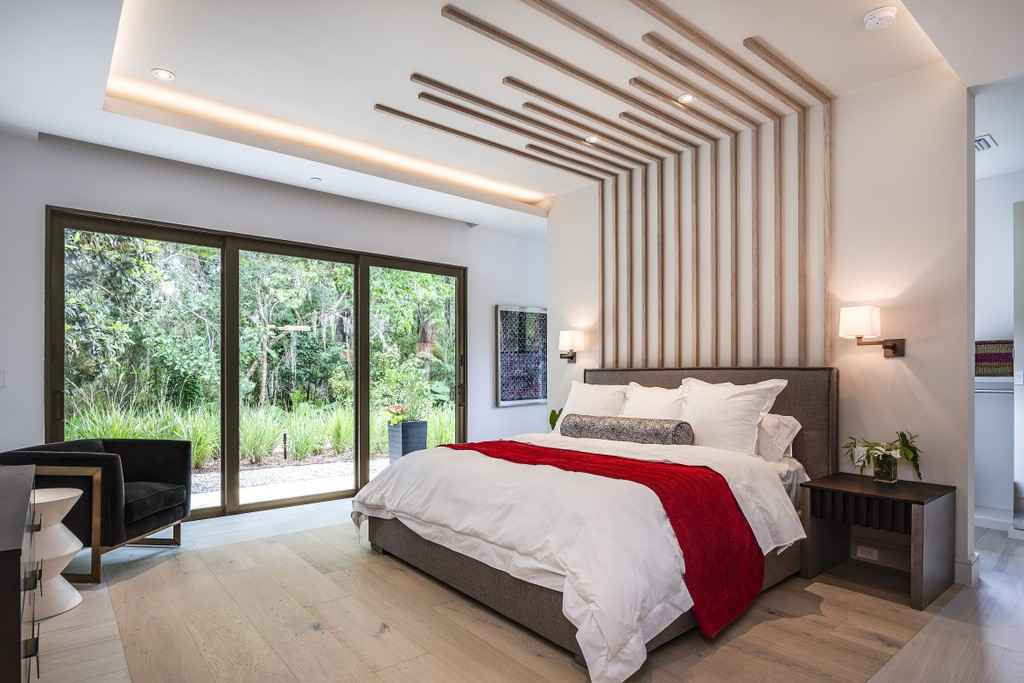
6 Must-Have Features for Florida’s Best Hurricane Sliding Doors
1. Impact-Resistant Glass
In Florida, hurricane sliding doors must be tough enough to handle flying debris and high wind pressure. One of the most critical components that offer this protection is impact-resistant glass, which is engineered to help prevent damage during strong storms.
How Impact-Resistant Glass Withstands Flying Debris
When hurricanes hit, debris like tree limbs and roof tiles can be hurled at windows and doors with great force. Impact-resistant glass is built to handle these situations, helping to keep homes secure and shielding people from injury.
- Multiple Glass Layers with Strong Interlayers: The glass is made of two or more panels bonded with a plastic interlayer like PVB that holds the glass in place when struck. This design helps keep the glass from shattering into dangerous pieces, making it ideal for hurricane zones.
- Absorbs Shock and Reduces Breakage: The inner layer acts like a cushion, softening the force of flying debris and lowering the risk of glass failure. Because of this feature, many contractors recommend it when asked what are the best hurricane sliding doors for Florida homes.
- Protects Against More Than Just Wind: In addition to guarding against high winds and debris, impact glass can help block UV rays and reduce outside noise. That makes it a good investment for both safety and comfort in Florida homes.
Benefits of Laminated and Tempered Glass
Many hurricane sliding doors in Florida combine laminated and tempered glass for added safety and performance. These materials are different but work well together to deliver strong resistance during storms and provide extra peace of mind.
Laminated Glass
- Safety First: Laminated glass keeps broken glass from scattering by holding it together with a strong interlayer. Homeowners asking where can I buy hurricane sliding doors in Florida should make sure this feature is included.
- Extra Security: It is very difficult to break through laminated glass, making it effective against both storms and intruders. This added barrier helps protect families and valuables inside the home.
- Noise and UV Control: Laminated glass helps filter out loud outdoor sounds and damaging sunlight. This makes homes more peaceful and protects floors, curtains, and furniture from fading over time.
Tempered Glass
- Four Times Stronger Than Regular Glass: Tempered glass undergoes a rapid cooling process that increases surface and edge compression, resulting in strength levels of at least 10,000 psi. This specialized air-quenching method makes the glass significantly more resistant to impact, which is why many hurricane sliding doors use tempered outer panels to better withstand intense wind loads and debris.
- Breaks into Small Pieces: If it does break, it shatters into small, dull-edged fragments that are less likely to cause injury. This safety feature is one reason tempered glass is used in homes that must meet Florida’s building codes.
- Often Combined with Laminated Glass: Manufacturers often pair laminated and tempered glass to meet code requirements while offering both strength and flexibility. When someone asks if hurricane sliding doors are required in Florida, this type of combo helps ensure compliance.
2. Reinforced Frames
Sliding glass doors are often a vulnerable spot during storms. In hurricane-prone areas like Florida, strong door frames are just as important as impact-resistant glass. When high winds hit, weak or flimsy frames can twist, bend, or even detach, leading to serious damage inside the home.
Why Frame Strength Matters
A reinforced frame helps distribute the pressure from strong winds and flying debris. Without a strong base, even the best glass panels might fail. Florida building codes often require hurricane-resistant door systems in specific zones, and one of the first things inspectors look at is the frame.
“Are hurricane sliding doors required in Florida?” Yes—especially in High-Velocity Hurricane Zones (HVHZ) such as Miami-Dade and Broward counties. In these areas, homeowners must use doors that meet strict impact and wind-load requirements, which include reinforced framing.
Aluminum Frames
Aluminum is one of the most popular materials used in hurricane sliding door frames.
- High Strength-to-Weight Ratio: Offers strong resistance against wind and impact without being bulky
- Corrosion-Resistant: Most aluminum frames used in Florida are coated or treated to resist rust and salt exposure
- Modern Appearance: Often used in sleek, minimalist designs, preferred in many coastal homes
Vinyl Frames
Vinyl is a more affordable option and still offers good protection if built correctly.
- Energy Efficient: Naturally insulates against heat, which helps with cooling bills
- Low Maintenance: Doesn’t rot or rust, and usually only needs occasional cleaning
- Impact Capable When Reinforced: Must include steel or aluminum reinforcements to meet hurricane standards
Fiberglass Frames
Fiberglass combines strength and flexibility, making it ideal for high-performance storm protection.
- Highly Durable: Doesn’t warp, corrode, or swell—perfect for Florida’s humid climate
- Thermally Stable: Expands and contracts very little, reducing stress on the glass and seals
- Can Mimic Wood: Great for homeowners who want the look of wood without the upkeep
3. Multi-Point Locking Systems
Sliding glass doors are a popular feature in many Florida homes, especially for letting in sunlight and enjoying backyard views. But when it comes to hurricanes, these doors need more than just strong glass — they need strong locks.
Why Multi-Point Locks Are Safer
Multi-point locking systems offer more security and structural support than basic locks. For homeowners searching what are the best hurricane sliding doors for Florida homes, choosing doors with this type of lock system is a smart first step.
- Added Wind Resistance: By locking the door in multiple places — usually the top, middle, and bottom — the system helps keep the door sealed tightly during strong gusts.
- Better Protection from Break-Ins: Multiple locks make it much harder for someone to pry open the door, reducing the chances of forced entry.
- Improved Door Stability: The locking points help prevent the door from warping or bending under pressure, which keeps it aligned and working properly over time.
- Tighter Seals: With more pressure across the frame, the door closes more securely, which helps stop water and air from getting inside during a storm.
How It Differs From Traditional Locks
Single-point locks only secure the door where the handle is. That leaves other parts of the door more vulnerable during a hurricane or break-in attempt. In contrast, a multi-point lock spreads out the holding force along the entire edge of the door.
- Locking Points: Traditional locks use just one bolt; multi-point systems use three or more to keep the door tight and secure.
- Pressure Management: More locks help balance pressure across the door, which keeps it from bending during extreme weather.
- Safety Upgrades: Many multi-point systems come with anti-lift features to keep the door from being removed from its track.
4. High Design Pressure (DP) Ratings
Knowing what are the best hurricane sliding doors for Florida homes starts with looking at their DP rating. These ratings help homeowners know how much wind force a door can handle without bending, breaking, or leaking.
What Is a DP Rating?
A Design Pressure (DP) rating shows how much pressure a sliding door can withstand from wind and rain. It’s measured in pounds per square foot (psf) and is tested in both positive (pushing in) and negative (pulling out) directions to reflect real storm conditions.
- Positive Pressure Test: Simulates wind pushing on the outside of the door during a storm.
- Negative Pressure Test: Simulates suction pulling on the door, such as when wind passes over the house and creates lift.
Recommended DP Ratings for Florida Hurricane Zones
Not all parts of Florida have the same wind speed requirements. Coastal areas face stronger winds than inland zones. Choosing the right DP rating depends on the home’s location and local building codes.
- DP +50/-50 or Higher: Recommended for most homes in hurricane-prone areas of Florida. It means the door can withstand wind speeds of up to approximately 160 mph.
- Miami-Dade Requirements: For areas in South Florida like Miami-Dade or Broward County, stricter codes require higher DP-rated doors, often with DP +60/-60 or more.
- Impact Zones: Homes located in wind-borne debris regions (WBDR) must also meet impact resistance along with high DP ratings.
How to Identify a Good DP-Rated Door
Look for specific certifications and documentation when comparing products. Labels, product data sheets, or approval codes from the manufacturer can verify the rating.
- Florida Product Approval Number: Confirms the product meets state requirements.
- Miami-Dade Notice of Acceptance (NOA): Indicates the door passed the strictest impact and pressure tests in the U.S.
5. Proper Water and Air Sealing
Keeping water and wind out is one of the most important parts of a hurricane sliding door’s job. Good sealing helps stop water from leaking into the home and keeps the strong, fast-moving air outside where it belongs.
How Weatherstripping Helps
Weatherstripping is the material that runs along the edges of the door and frame. It creates a tight barrier between the inside and outside of the home.
- Compression Weatherstripping: Creates a tight seal when the door is closed: Helps block air drafts and water from passing through gaps.
- Brush or Fin Seal Weatherstripping: Uses fine bristles or thin strips: Helps reduce wind-driven rain and dirt from entering between sliding tracks.
- Dual-Layer Systems: Uses two types of weatherstripping together: Offers extra protection in high-pressure storm conditions.
Why Threshold Design Matters
The threshold is the bottom part of the sliding door frame. It plays a big role in stopping water from coming inside during heavy rain or flooding.
- Raised Thresholds: Slightly elevated from the floor: Helps stop pooled water from spilling inside when rainwater collects outside.
- Sloped Thresholds: Designed at an angle: Allows water to drain away from the door instead of building up near the track.
- Drainage Channels: Built-in grooves that guide water away: Prevents water from sitting in the frame, reducing the risk of leaks.
6. Easy Operation And Accessibility
Sliding glass doors should not only protect against storms—they should also be easy to use every day. In hurricane-prone areas like Florida, it’s especially important that these doors glide smoothly and are accessible for all family members, including older adults or those with mobility challenges.
Smooth Glide Tracks Under Pressure
During a storm, wind pressure and flying debris can affect how well a sliding door functions. If the tracks are poorly designed or built with weak materials, they can jam, swell, or bend. This creates problems during emergencies or even with regular use.
- Heavy-Duty Rollers And Tracks: Built to support the weight of impact-resistant glass and prevent sagging or warping over time
- Corrosion-Resistant Materials: Prevents rust and buildup from coastal air, especially in areas near saltwater
- Precision Engineering: Keeps the doors aligned so they won’t derail during high winds or rough handling
ADA-Compliant Options For Older Adults
Accessibility is key—especially in homes with elderly residents or anyone with limited mobility. Doors that meet ADA (Americans with Disabilities Act) guidelines are easier and safer to open and close without strain.
- Low-Profile Thresholds: Reduces the step-over height, lowering the risk of tripping
- Ergonomic Handles: Larger, easy-to-grip handles that work well for weak hands or arthritis
- Automatic Or Assisted Openers: Motorized options that allow sliding doors to open with the push of a button or remote

Where Can I Buy Hurricane Sliding Doors In Florida?
For Florida homes, buying the right hurricane sliding door means more than just finding a good price—it’s about safety, code compliance, and smooth everyday use. Anyone wondering, “Where can I buy hurricane sliding doors in Florida?” should focus on trusted sources that offer certified, storm-rated options.
Local Window And Door Showrooms
These stores let buyers see and test doors in person. They often carry Florida-approved and Miami-Dade-certified products, with staff who can explain the features. It’s also easier to check how smooth and secure the door feels before buying.
Certified Impact-Resistant Door Dealers
These dealers specialize in storm-rated products. They offer expert guidance, permit help, and a wider range of impact-resistant brands—making them a solid choice when figuring out what are the best hurricane sliding doors for Florida homes.
Big-Box Home Improvement Stores
Places like Home Depot and Lowe’s sell hurricane sliding doors that meet Florida codes. While options may be limited, they often include installation services and trusted brands. Always check the label for storm certification.
Online Specialty Retailers
Some websites sell doors built for Florida’s storm zones and ship statewide. It’s convenient, but buyers should confirm that products are certified and fit local code—especially if asking, are hurricane sliding doors required in Florida?
Frequently Asked Questions
How much does it cost to install hurricane sliding glass doors?
The cost to install hurricane sliding glass doors can vary widely based on the size of the opening, the materials used, and the type of impact-rated glass selected. Labor, permits, and custom features may also affect the overall price. Homes in coastal zones may need doors with higher wind pressure ratings, which can influence the total cost. For accurate and up-to-date pricing, contact a reputable local installer or manufacturer.
What is the best material for hurricane impact doors?
Aluminum is one of the most popular materials for hurricane impact doors because it’s strong, corrosion-resistant, and holds up well in extreme conditions. Fiberglass is also a good choice due to its durability and energy efficiency. Vinyl may be used in less exposed areas but is not as strong under high wind pressure. The best material depends on location, design preference, and budget.
Do all sliding glass doors leak?
Not all sliding glass doors leak, but poor installation, worn seals, or outdated models can allow water or air to seep through. Hurricane-rated doors are designed to resist wind-driven rain and have stronger seals. Proper maintenance and professional installation reduce the risk of leaks. Regular inspection helps catch early signs of wear.
How to get rid of moisture in a sliding glass door?
Moisture between the glass panes usually means the seal has failed and the insulating gas has escaped. In most cases, the glass unit needs to be replaced to fix the problem. Using a dehumidifier or checking for gaps around the frame can help with minor condensation. For long-term results, consider replacing the panel with a properly sealed hurricane-rated glass unit.
How do I know if my sliding glass door is hurricane proof?
A hurricane-proof sliding glass door will have a permanent label or etched mark showing it meets impact-resistance standards. Look for Florida Product Approval or Miami-Dade County certification. The glass should be laminated and the frame reinforced to handle strong winds and debris. If unsure, a local licensed contractor can inspect and confirm compliance.
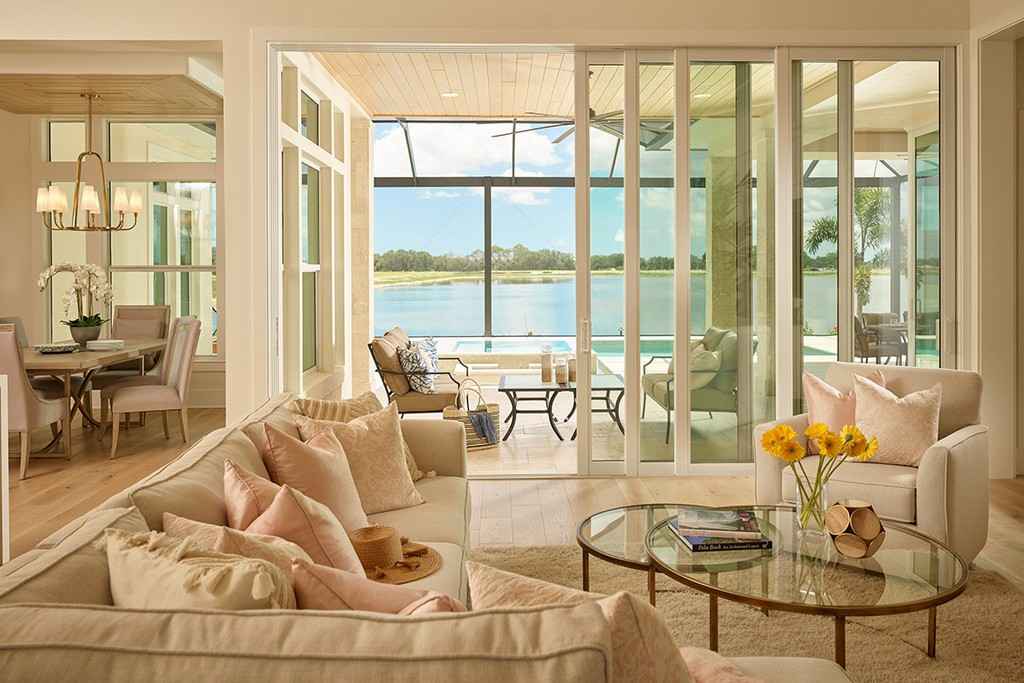
Upgrade Hurricane Protection with Top-Rated Sliding Doors in Miami Lakes, FL!
Protecting homes in Miami Lakes, FL, starts with installing the right hurricane-rated sliding doors. Prestige Windows & Doors offers high-performance solutions built to withstand Florida’s toughest weather conditions. With expert craftsmanship and certified impact resistance, each sliding door is designed to meet local codes and provide lasting peace of mind. Homeowners across Miami Lakes, FL, trust Prestige Windows & Doors for both product quality and reliable installation.
Call Prestige Windows & Doors today to get a free estimate and schedule a consultation.