Florida homeowners face a unique set of challenges when it comes to maintaining and upgrading their homes. With year-round sunshine, high humidity, and the constant threat of hurricanes, windows take on a critical role in energy efficiency, comfort, and safety. Hurricanes are becoming stronger as global temperatures rise, drawing more power from warm ocean waters, which makes having durable, impact-rated windows more important than ever.
If you’ve been considering replacing windows in Florida, we’ll walk you through everything you need to know.
Table of Contents
How Thick Are Windows? Understanding Window Thickness in Florida
6 Signs It’s Time to Replace Your Windows
Step-by-Step Guide: How to Replace a Window in Florida
3 Factors That Affect the Costs of Replacing Windows in Florida
10 Maintenance Tips for Windows in Florida
Frequently Asked Questions (FAQs)
Don’t Wait Until Hurricane Season to Replace Your Windows
Key Takeaways
✔ Florida homes need thicker, impact-rated windows—typically between 1/4 inch and 1-1/2 inches—to handle hurricanes, noise, and extreme heat.
✔ Rising energy bills, leaks, fogging, sticking frames, visible damage, or outdated designs all signal it’s time for a window replacement.
✔ Replacing windows in Florida involves careful measuring, removing old frames, installing and sealing new impact-rated units, and finishing with trim and testing.
✔ Hiring professionals ensures code compliance, proper installation of heavy impact glass, warranty protection, and full insurance coverage.
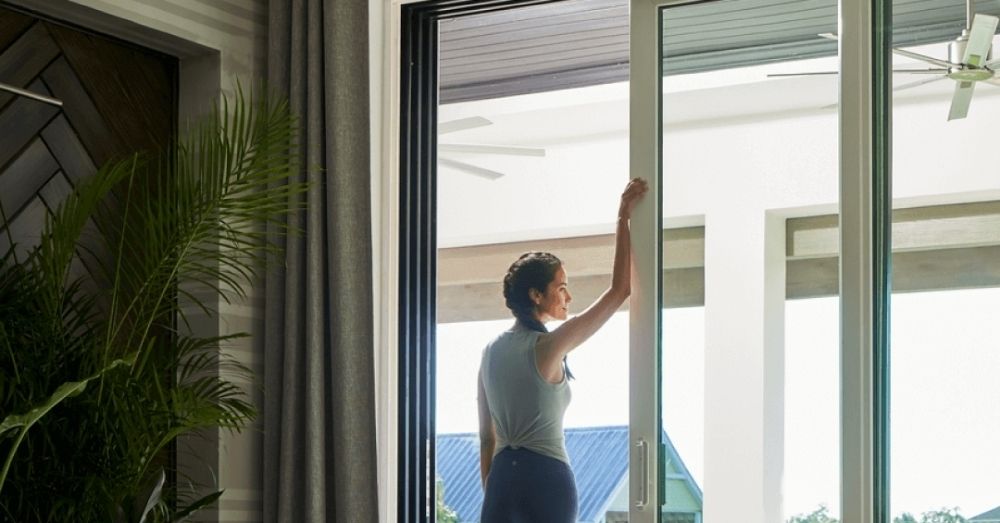
How Thick Are Windows? Understanding Window Thickness in Florida
One of the most common questions homeowners ask is: how thick are windows supposed to be in Florida? It’s an important consideration because thickness affects safety, energy efficiency, and overall comfort.
In most parts of the country, standard residential windows are often single-pane or thin double-pane units. These are usually not enough for Florida’s demanding climate. That’s why replacing windows in Florida requires a closer look at thickness standards, especially when it comes to impact-resistant glass.
Thickness Ranges for Impact Windows
When considering window replacement in Florida, thickness will vary based on brand, model, and specific building requirements. Generally:
- Impact window thickness ranges from 1/4 inch to 1-1/2 inches.
- The most common sizes for residential projects fall between 3/16 inch and 1/2 inch.
- Laminated glass used in storm-rated products combines multiple layers, so it’s thicker than traditional single-pane glass.
This means that the average Florida home will use windows thicker than the national standard to comply with safety codes.
Why Florida Requires Thick Windows
Florida is unlike most states because homes here must be built to withstand hurricane-force winds, heavy rain, and extreme sun exposure. Thick windows are not just a preference—they’re part of safety and energy codes. The three main reasons Florida homeowners need thicker glass are:
- Hurricane Safety: Laminated impact glass is engineered to resist breaking, even when struck by flying debris. If the glass cracks, a special interlayer holds it together to keep the home sealed.
- Noise Reduction: Living near highways, airports, or coastal nightlife can be noisy. Thicker panes help reduce sound transmission, giving homeowners a quieter indoor environment.
- Energy Efficiency: Florida’s heat and humidity can be relentless. Multi-pane designs with added thickness create better insulation, keeping homes cooler and reducing strain on air conditioners.

6 Signs It’s Time to Replace Your Windows
Deciding when to upgrade your windows isn’t always straightforward. Some issues are obvious, while others slowly build over time.
If you’re debating whether it’s time for a window replacement, keep in mind that about 90% of hurricane-related deaths worldwide are from drowning caused by storm surge or flooding. Strong, impact-rated windows won’t stop rising water, but they can help protect your home from wind-driven rain and structural failure.
1. Rising Energy Bills
If you’ve been considering replacing windows in Florida, high utility costs are one of the clearest signals that it’s time. When they no longer insulate properly, your air conditioning has to work harder—something Florida homeowners feel year-round.
- Noticeable spikes in electricity bills often point to heat gain or loss through outdated glass.
- Older, thin panes can’t compete with modern thick windows that provide better insulation.
- Replacing old glass reduces energy waste and creates a more comfortable indoor environment.
2. Drafts and Water Leaks
Florida’s summer storms test every weakness in a home’s exterior. No matter how thick the windows are, if they’re improperly sealed or warped, performance will suffer.
- Drafts mean the window seals have broken down, allowing hot air inside and cool air out.
- Leaks during storms can cause mold growth and structural water damage.
- Salt-heavy coastal air accelerates deterioration, making window replacement essential sooner than in other climates.
3. Fog or Condensation Between Panes
If you’ve researched how to replace a window, you’ll know that fogging is one of the most common signs installers look for when assessing older homes. When fog appears inside that space, it means the seal is no longer doing its job.
- Loss of insulation reduces comfort and increases cooling costs.
- Condensation can spread moisture to frames, encouraging rot or corrosion.
- This issue can’t be fixed by cleaning; it requires complete window replacement.
4. Difficulty Opening or Closing
Windows that stick, jam, or refuse to close properly are more than an inconvenience. They compromise security and storm readiness.
- Warped wood, rusted metal, or swollen frames can block movement.
- If your window won’t lock tightly, it can’t provide hurricane protection.
- Struggling with daily operation is often a sign that replacing windows in Florida is overdue.
5. Visible Damage to Glass or Frames
Physical damage is the most obvious reason to consider new windows. Even small cracks or chips reduce safety and efficiency.
- Cracked glass is weaker and more vulnerable during storms.
- Corrosion from salt air quickly eats away at aluminum or steel frames.
- Warped or rotted wood frames can no longer support heavy panes or withstand pressure.
6. Outdated Design and Lack of Storm Protection
Even if your windows appear intact, older designs may not meet modern building codes. This is one of the top motivators for replacing windows in Florida, especially for homeowners near the coast.
- Homes built decades ago often used thinner, less durable panes.
- Older styles don’t block UV rays effectively, causing furniture and flooring to fade.
- Newer impact-rated glass offers advanced safety features that older windows lack.
Step-by-Step Guide: How to Replace a Window in Florida
Learning how to replace a window in Florida requires more than just basic handyman skills. Because of the state’s unique climate and hurricane risks, each step must be done with precision. Here’s a breakdown of how it works:
Step 1: Preparation
For those replacing windows in Florida, this step is especially important because even small errors can lead to water leaks during storms.
- Take exact measurements of the window opening to avoid gaps or uneven fits.
- Confirm that the new unit meets Florida’s hurricane impact requirements.
- Review local building codes, which vary by county but often dictate the type of glass and frame you can use.
- Remove window treatments and clear the surrounding work area for safe access.
Step 2: Removing the Old Window
The removal process must be handled carefully to avoid damaging the structure. When beginning window replacement, professionals often use specialized tools to minimize damage and speed up removal.
- Start by loosening and removing any interior trim or molding around the window.
- Unscrew or pry out old fasteners that hold the frame in place.
- Gently detach the window sash and glass panes.
- Carefully pull out the frame while checking for any rotted or warped areas in the wall.

Step 3: Installing the New Window
Once the old unit is removed, the new one can be installed. Knowing how thick the windows are in your area also helps ensure the right choice for both safety and energy efficiency.
- Place the new frame inside the opening, making sure it is level and square.
- Use shims to adjust alignment so the window sits perfectly.
- Secure the frame with screws or anchors that meet hurricane standards.
- For homes that require thick windows, installers will confirm that the wall can support the added weight.
Step 4: Sealing and Insulation
A tight seal is critical for Florida’s humid and storm-prone environment. Florida homeowners learning how to replace a window should never skip this stage if they want long-term durability.
- Apply low-expansion foam insulation around the window edges to block air infiltration.
- Use weatherproof caulking on the exterior perimeter to protect against water intrusion.
- Inspect the seal from both inside and outside to ensure complete coverage.
- Proceed with sealing as improper caulking can lead to leaks and mold.
Step 5: Final Touches
Once the window is secured and sealed, finishing details complete the project. For those replacing windows in Florida, these final steps enhance both curb appeal and indoor comfort.
- Reinstall or replace the interior trim and molding.
- Clean the glass and frame to remove debris from installation.
- Test the window to ensure smooth opening, closing, and locking.
- Inspect the exterior for cosmetic consistency so the new unit blends seamlessly with the home.
Why Professional Installation Is Safer in Florida
Florida homeowners often wonder whether they can tackle window replacement as a DIY project. While replacing windows may seem straightforward, the reality is that Florida’s unique environment makes professional installation the safer and smarter choice.
Compliance With Florida’s Hurricane Standards
Florida has some of the strictest building codes in the nation, especially in coastal areas prone to hurricanes. These rules dictate materials and how thick windows must be for safety. Licensed contractors ensure installations meet code, while DIY attempts risk fines, failed inspections, or windows that won’t hold up when storms hit.
Correct Installation of Thick Windows
Many homes require thick windows with laminated or impact-resistant glass. These are heavier than standard panes and need precise installation. If frames aren’t reinforced, weight can cause structural issues. Professional installers know how to secure them properly, giving homeowners confidence when replacing windows in Florida.
Warranties and Peace of Mind
Hiring professionals for window replacement comes with warranties that cover both the product and installation. If problems arise, you’re protected. With DIY, there’s no safety net—any mistakes or failures come out of your own pocket.
Protecting Insurance Coverage
Improper installation can void insurance claims after a storm. Insurers expect impact-rated windows to be installed to code. A DIY job that fails may lead to denied coverage. Professional installation ensures compliance so your new windows remain fully insured.
3 Factors That Affect the Costs of Replacing Windows in Florida
One of the biggest questions homeowners have when considering replacing windows in Florida is cost. Prices vary widely depending on the glass type, frame material, window size, and labor. Here’s a breakdown of the main factors that influence overall pricing:
1. Type of Glass
Choosing impact-resistant glass is one of the most valuable window replacement investments for Florida homes.
- Standard Glass: Basic double-pane glass is the most affordable option but does not offer hurricane protection. It may lower energy bills slightly but is not recommended for coastal homes.
- Impact-Resistant Glass: Required by Florida building codes in most areas, this glass is engineered to withstand strong winds and flying debris. While it costs more upfront, it offers unmatched safety and insurance benefits.
- Tinted or Low-E Glass: This glass blocks UV rays and reduces heat transfer. Though slightly more expensive, it lowers long-term cooling costs and protects interior furnishings from fading.
2. Frame Material
If you are replacing windows in Florida, vinyl is usually the most economical, while fiberglass provides higher-end performance.
- Vinyl Frames: Vinyl is affordable, durable, and resistant to moisture—making it one of the most popular choices for Florida homeowners.
- Aluminum Frames: Aluminum is strong but prone to corrosion from salt air if not treated properly. It typically costs more than vinyl but less than fiberglass.
- Fiberglass Frames: Fiberglass provides premium strength and insulation. It costs more but is highly resistant to warping, making it a long-term investment.
- Wood Frames: Wood offers a classic look but is expensive and vulnerable to rot in humid climates.
3. Window Size and Thickness
Investing in thick windows is crucial for hurricane-prone areas, even though the price is higher.
- Small Windows: Smaller units cost less to purchase and install but may not provide as much natural light or ventilation.
- Large Windows: Bigger windows require more glass and stronger frames, which increases both material and: labor costs.
- Thick Windows: Heavier, laminated designs add extra cost but are essential for storm safety. As discussed, Impact-rated glass ranges from 1/4 inch to over 1-1/2 inches, with most residential options between 3/16 and 1/2 inch.
10 Maintenance Tips for Windows in Florida
Even after a successful window replacement, your investment requires regular upkeep. Florida’s humidity, salt air, and frequent storms can take a toll on glass and frames. Here are essential tips for keeping your windows in top condition:
- Clean Glass Regularly: Use a mild soap and water solution to wash windows every few months. Avoid abrasive cleaners that could scratch impact-resistant glass.
- Inspect Seals and Caulking: Check seals around the frame at least twice a year. Reapply caulking if you notice cracks or gaps to prevent air and water leaks.
- Lubricate Tracks and Hinges: Apply silicone-based lubricant to sliding tracks and hinges to keep them opening smoothly. This prevents wear and reduces strain on the frame.
- Rinse Away Salt and Sand: For coastal homes, rinse frames and glass with fresh water monthly. This prevents salt deposits from corroding aluminum or steel components.
- Check for Condensation or Fogging: Fog inside double or triple panes may indicate a broken seal. If detected, schedule a window replacement before efficiency worsens.
- Inspect After Storms: After hurricanes or heavy rains, look for cracks, chips, or warped frames. Early detection helps avoid larger repairs.
- Trim Nearby Vegetation: Keep shrubs, branches, and vines away from windows. This reduces scratches, mold growth, and damage during high winds.
- Repaint or Refinish Frames When Needed: Wood frames may need repainting or sealing to resist moisture. Vinyl and fiberglass require less care but should still be inspected.
- Test Locks and Safety Features: Ensure locks engage smoothly and fully for both security and hurricane protection. Adjust or replace mechanisms if they loosen over time.
- Schedule Professional Inspections: Have a licensed installer check your windows every few years. Professionals can catch hidden issues you might miss, especially with thick windows used in Florida homes.
Frequently Asked Questions (FAQs)
Are you allowed to replace your own windows?
Yes, you can legally replace your own windows in Florida, but it’s risky. Strict building codes and hurricane requirements make professional installation the safer option. If the windows are not installed to code, you could face fines or denied insurance claims. Many homeowners prefer hiring licensed contractors because they guarantee compliance and provide warranties.
Does Florida have a window replacement program?
Yes, Florida offers energy-efficiency and hurricane mitigation programs at times, notably through the “My Safe Florida Home” initiative. Availability depends on funding and location. Some utility companies also provide rebates for upgrading to energy-efficient windows. It’s best to check with your local government or energy provider for current programs.
Do I need a permit to replace my own windows in Florida?
Yes, a permit is required for window replacement, even if you do the work yourself. This ensures compliance with local codes and hurricane standards. Without a permit, you may run into issues when selling your home. In addition, insurance companies often require proof of permitted work to honor storm-related claims.
Is it cheaper to replace a whole window or just the glass?
Replacing only the glass is usually cheaper upfront, but it doesn’t fix issues with old frames or seals. A full window replacement provides better long-term performance. If the frame is damaged, replacing only the glass won’t restore energy efficiency. Homeowners often choose full replacement to meet Florida’s storm protection standards.
How often should windows be replaced?
Most windows last 15 to 25 years. Double-glazed windows generally last between 25 and 30 years when they are properly maintained. Single-glazed windows typically have a shorter lifespan, lasting around 15 to 20 years before needing replacement. In Florida’s climate, where storms and salt air cause faster wear, replacement may be needed sooner.
Don’t Wait Until Hurricane Season to Replace Your Windows
At Prestige Windows & Doors, we’re proud to be the local leader among window companies in South Florida. Based in Miami Lakes, FL, our team specializes in high-quality hurricane impact windows that not only enhance curb appeal but also meet the nation’s toughest testing standards. From protecting your property against intruders to ensuring peace of mind during hurricane season, our products are built to perform when it matters most.
Don’t wait until the next storm hits to take action. Contact Prestige Windows & Doors today to schedule a consultation!